

Overview
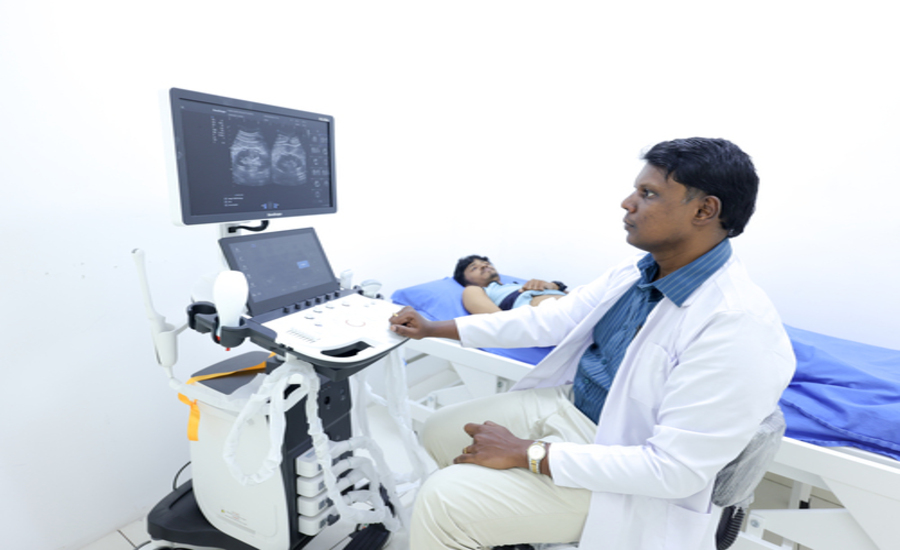
Ultrasound is a safe, non-invasive medical imaging technique that uses high-frequency sound waves to produce real-time images of internal organs, soft tissues, blood vessels, and blood flow. Unlike imaging methods that use ionizing radiation, ultrasound is radiation-free, making it a preferred diagnostic tool for patients of all ages, including pregnant women and children.
This advanced imaging technology helps doctors accurately diagnose a wide range of medical conditions, evaluate the structure and function of organs, monitor fetal development during pregnancy, assess blood circulation, and guide minimally invasive procedures such as biopsies or fluid aspiration with greater precision. Because ultrasound provides immediate imaging results, it enables timely diagnosis, supports personalized treatment planning, and helps monitor the progress of ongoing medical conditions. Its safety, accuracy, and versatility make ultrasound an essential tool in modern healthcare for improving patient outcomes.
Technology Details
Doppler Ultrasound Technology
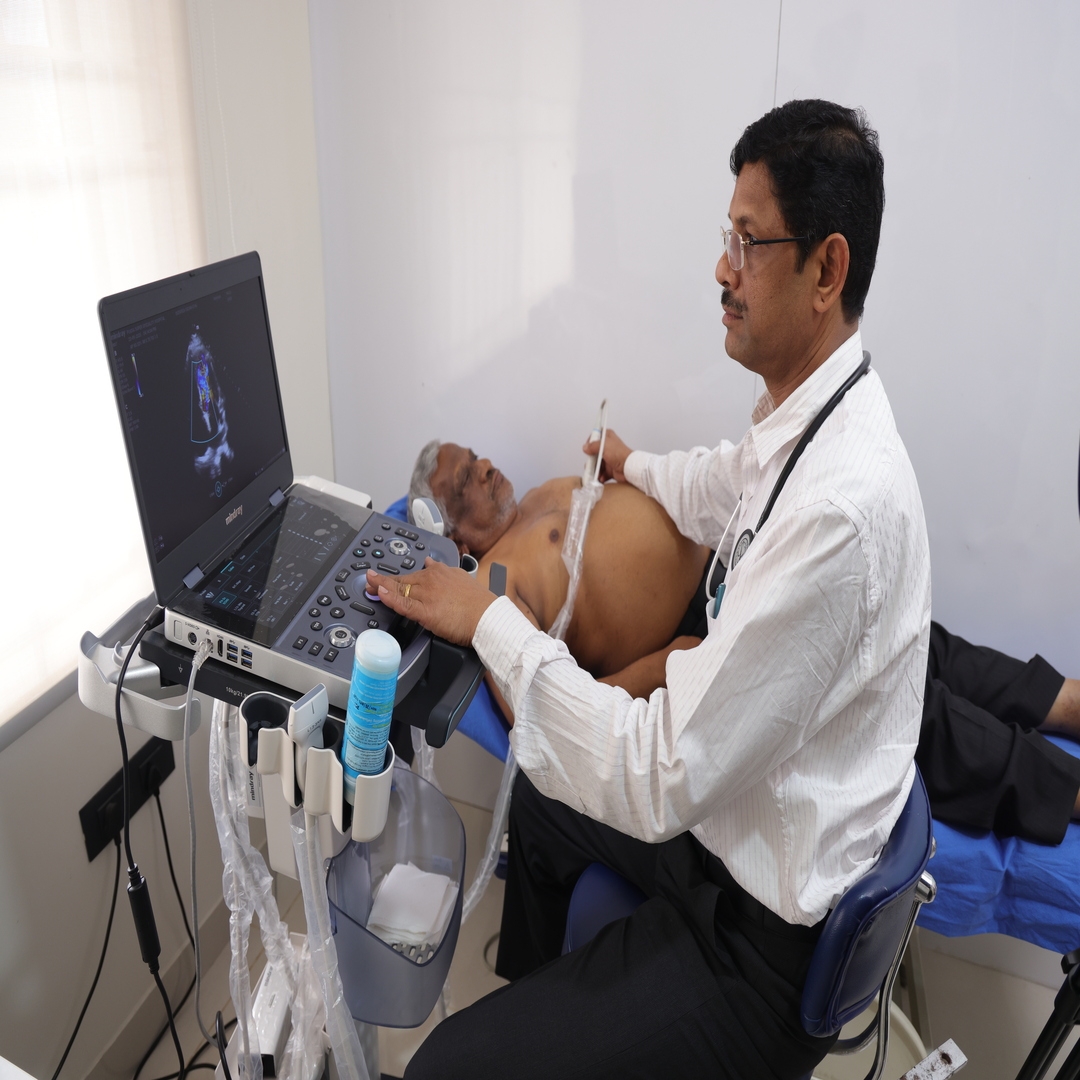
- Doppler ultrasound is used to evaluate blood flow and circulation throughout the body, helping doctors assess the health and function of arteries and veins.
- It can detect vascular abnormalities such as narrowed or blocked blood vessels, blood clots, aneurysms, varicose veins, and reduced blood circulation.
- By providing real-time information about blood flow patterns, Doppler ultrasound supports early diagnosis, guides treatment planning, and helps monitor the effectiveness of ongoing vascular therapies without the need for invasive procedures.
3D & 4D Ultrasound Technology
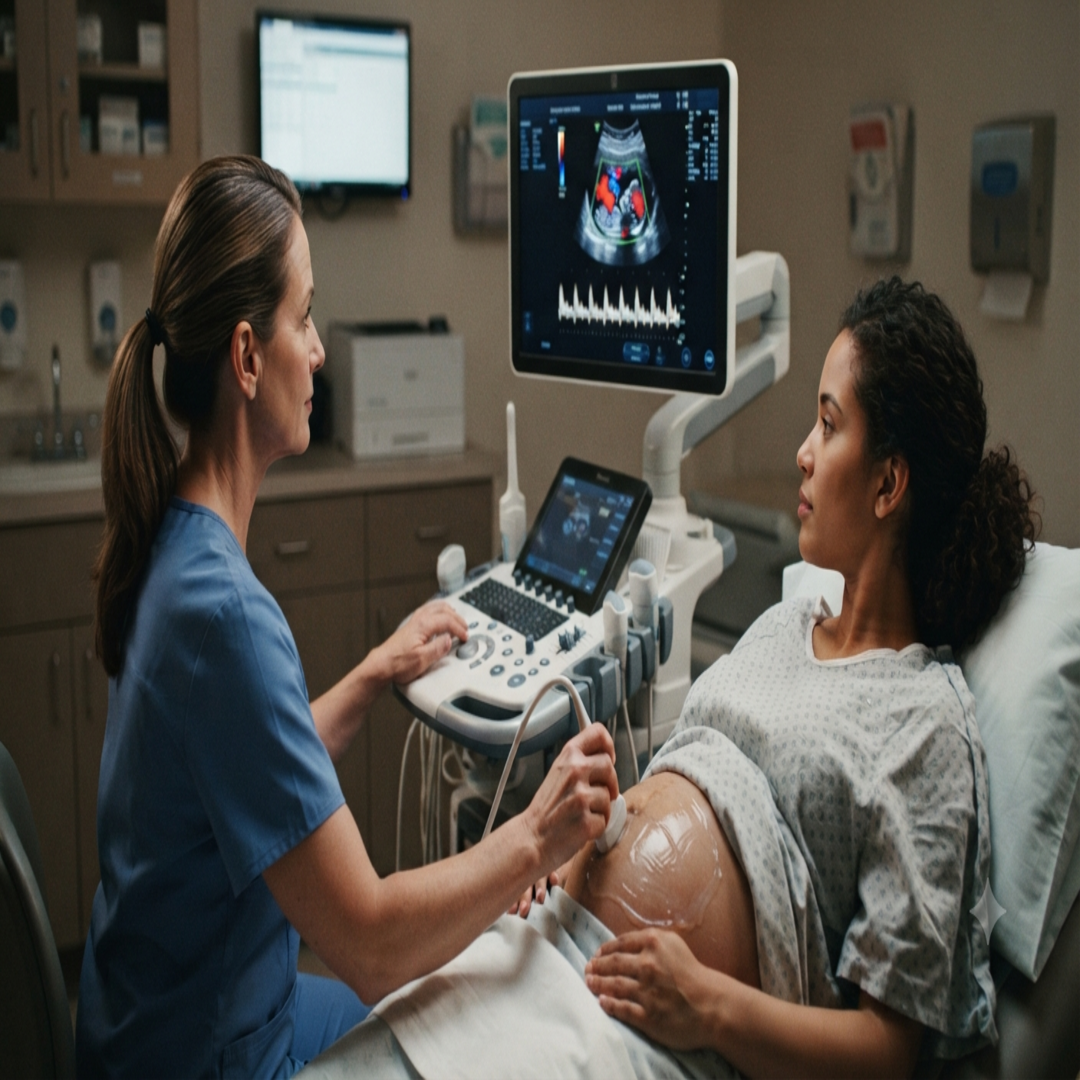
- 3D and 4D ultrasound technology creates highly detailed three-dimensional images and real-time motion views of the developing fetus and other internal structures.
- These advanced imaging techniques are widely used during pregnancy to monitor fetal growth, evaluate anatomical development, assess facial features and limb movements, and detect certain congenital abnormalities.
- The enhanced visualization helps healthcare providers closely monitor the baby's health, supports early diagnosis of potential concerns, and provides expectant parents with a clearer view of fetal development throughout pregnancy.
When is this Technology Recommended?
This procedure is recommended for patients requiring advanced clinical interventions. Our specialists provide comprehensive assessments to determine eligibility.
Our health advisors will reach out to you
Request a Callback