
Overview
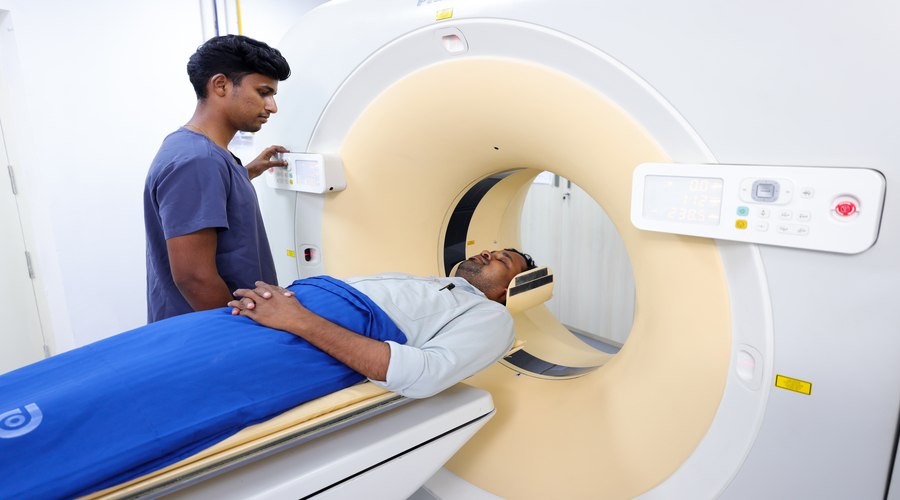
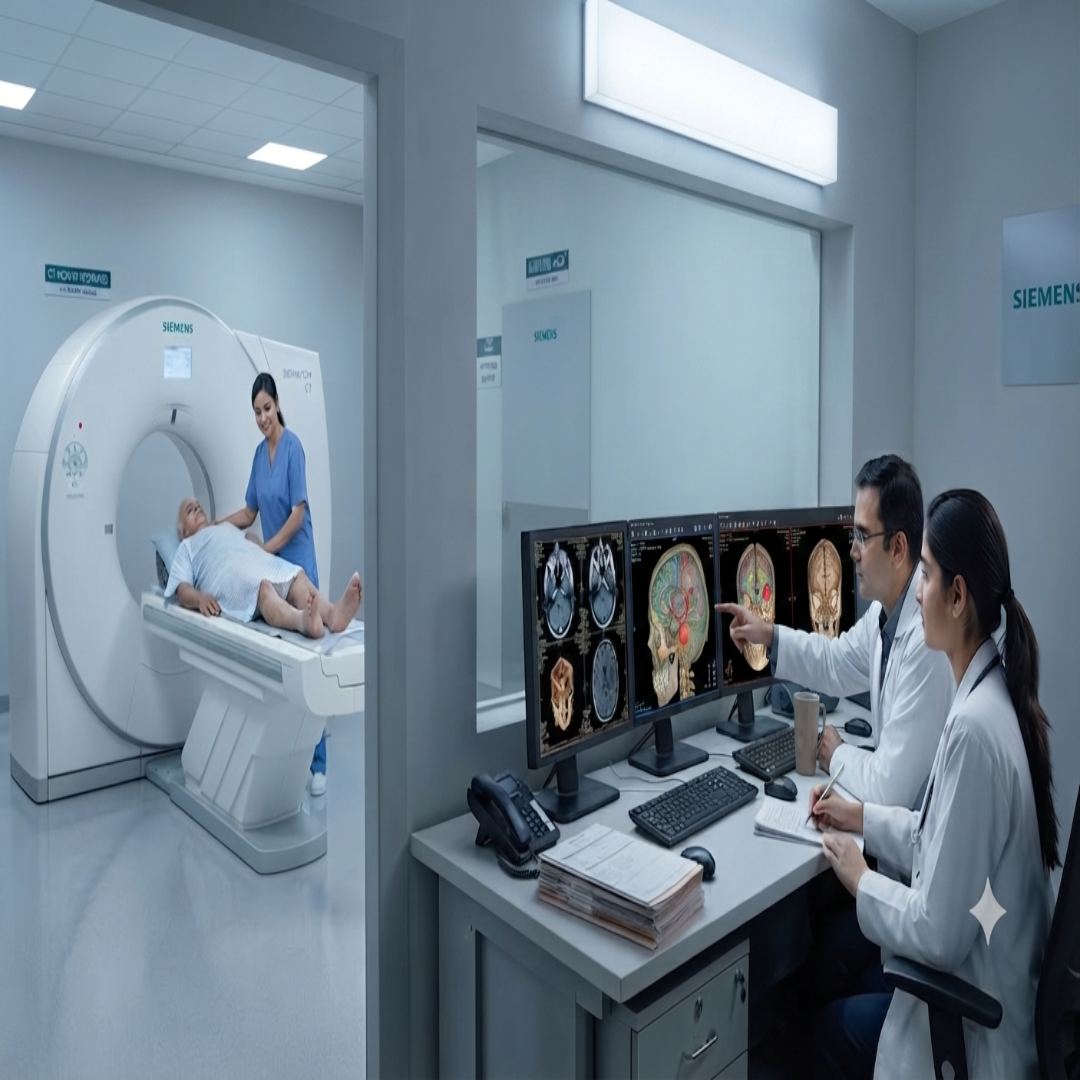
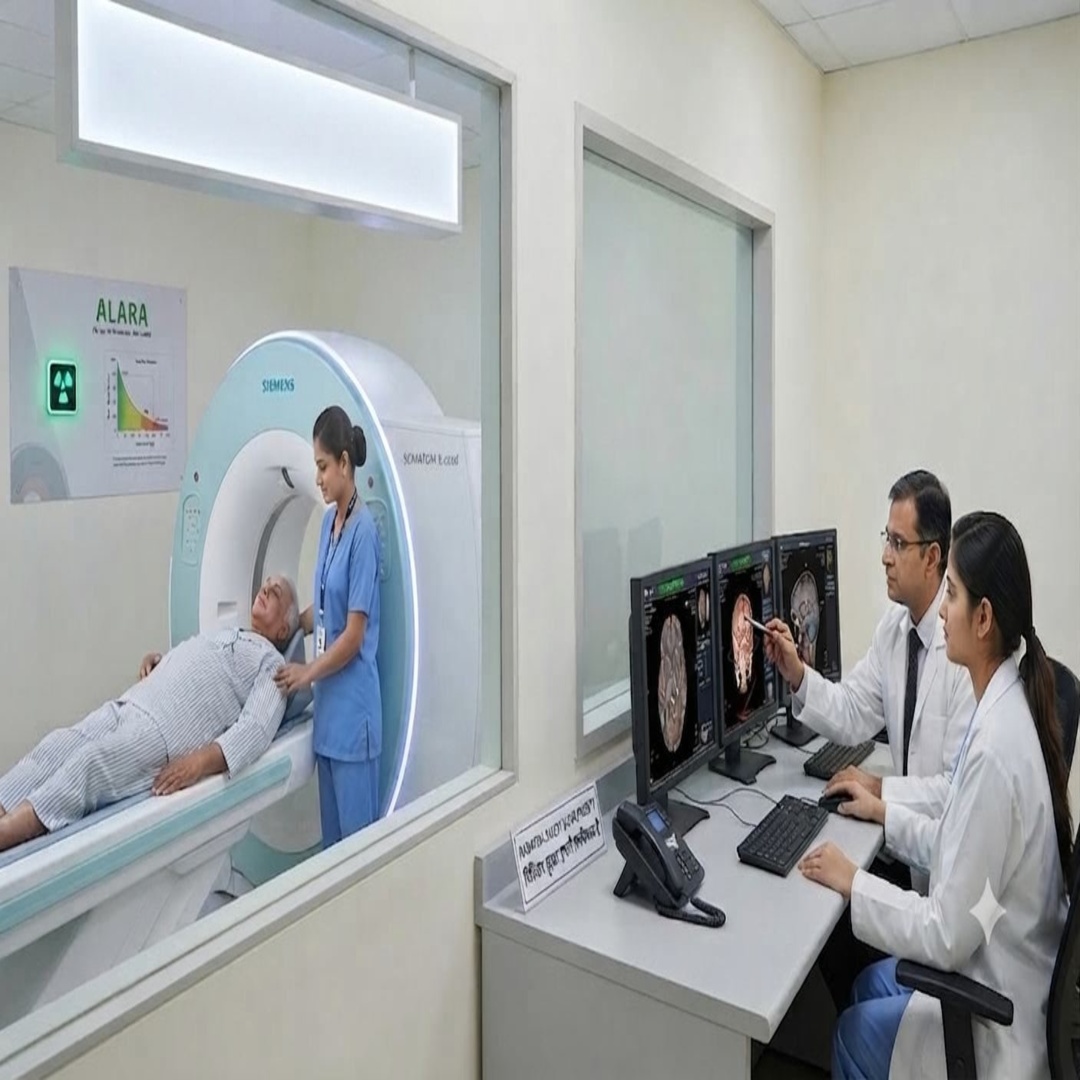
A CT (Computed Tomography) scan is an advanced diagnostic imaging technique that combines multiple X-ray images with sophisticated computer processing to produce highly detailed cross-sectional images of the body's internal structures. Unlike conventional X-rays, a CT scan provides clear, three-dimensional views of organs, bones, blood vessels, and soft tissues, enabling doctors to examine the body with exceptional precision.CT scans are widely used to diagnose a broad range of medical conditions, including fractures, internal injuries, infections, tumors, strokes, lung diseases, and disorders affecting the abdomen and blood vessels.The technology also plays a vital role in emergency care by rapidly identifying life-threatening conditions, allowing timely medical intervention.
In addition, CT imaging helps monitor disease progression, evaluate treatment effectiveness, and guide procedures such as biopsies and minimally invasive interventions.
Its speed, accuracy, and detailed imaging capabilities support early diagnosis, personalized treatment planning, and improved patient outcomes.
Technology Details
3D Reconstruction Technology
- Three-dimensional (3D) CT imaging reconstructs scan data into detailed, lifelike images, providing doctors with a comprehensive view of internal organs, bones, blood vessels, and surrounding structures.
- This advanced visualization helps specialists better understand complex medical conditions, assess the extent of injuries or diseases, plan surgical procedures with greater precision, and monitor treatment progress.
- By offering enhanced anatomical detail from multiple angles, 3D imaging supports more accurate diagnosis, informed clinical decision-making, and improved patient care.
Contrast-Enhanced CT
- Contrast-enhanced CT scans use a specially formulated contrast agent to improve the visibility of internal organs, blood vessels, and surrounding tissues, allowing doctors to examine the body in greater detail.
- The contrast material highlights areas that may not be clearly visible on standard CT images, helping identify tumors, infections, inflammation, blockages, internal bleeding, vascular disorders, and other abnormalities with greater accuracy.
- This enhanced imaging supports precise diagnosis, effective treatment planning, and better monitoring of disease progression and response to therapy.
When is this Technology Recommended?
This procedure is recommended for patients requiring advanced clinical interventions. Our specialists provide comprehensive assessments to determine eligibility.
Our health advisors will reach out to you
Request a Callback