


Cardio Thoracic Surgery
Valve Replacement
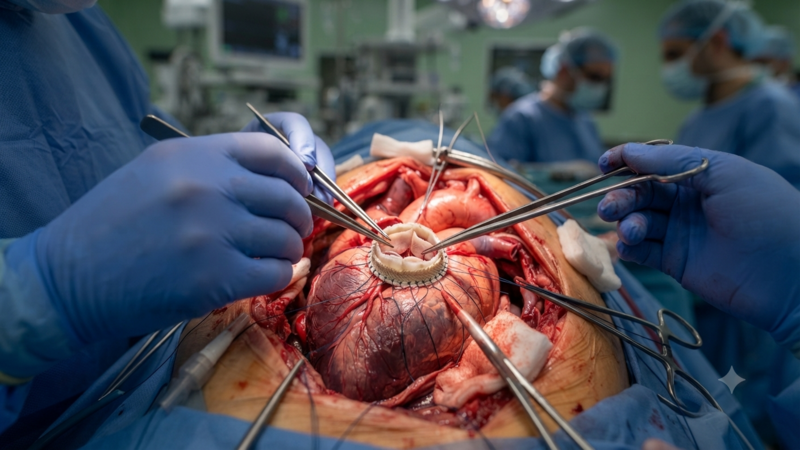
Case Overview
Valve replacement surgery is an advanced cardiac procedure performed to treat damaged or diseased heart valves that interfere with the heart's ability to pump blood efficiently. Conditions such as valve stenosis (narrowing), valve regurgitation (leakage), congenital heart defects, or age-related valve degeneration can place additional strain on the heart, leading to symptoms such as chest pain, shortness of breath, fatigue, dizziness, and reduced physical activity. When medication or valve repair is no longer sufficient, valve replacement surgery offers an effective solution to restore normal heart function.During the procedure, the diseased valve is replaced with a mechanical or biological (tissue) valve, depending on the patient's age, medical condition, lifestyle, and long-term treatment needs. Using advanced surgical techniques, modern imaging technology, and comprehensive perioperative care, cardiac surgeons perform the procedure with a strong focus on safety, precision, and successful outcomes. Each treatment plan is carefully personalized to the patient's overall heart health, ensuring the most appropriate approach for long-term recovery. With expert postoperative care and cardiac rehabilitation, many patients experience improved heart function, relief from symptoms, increased energy levels, and a significantly better quality of life.
Advanced Valve Replacement Techniques
Modern valve replacement procedures have significantly advanced with the introduction of innovative surgical techniques and minimally invasive approaches, offering safer and more effective treatment options for patients with damaged or diseased heart valves.
- Advanced diagnostic imaging technologies such as 3D echocardiography, CT scans, MRI, and fluoroscopic guidance enable cardiologists and cardiac surgeons to accurately assess valve anatomy, plan the procedure with precision, and ensure optimal placement of the replacement valve.
- Modern valve replacement options include durable mechanical valves, long-lasting bioprosthetic (tissue) valves, and transcatheter procedures such as Transcatheter Aortic Valve Replacement (TAVR), which allows valve replacement without open-heart surgery in eligible patients.
These advanced valve designs provide better blood flow, improved durability, and enhanced compatibility with the body's natural heart function.
These technologies improve surgical accuracy while minimizing the risk of complications.
Depending on the patient's condition, surgeons may perform traditional open-heart valve replacement or minimally invasive procedures using smaller incisions, which reduce trauma, blood loss, pain, and recovery time.
Next-Generation Cardiac Care
- With continuous advancements in cardiac technology, valve replacement treatments are becoming increasingly personalized to meet each patient's unique medical condition, age, lifestyle, and overall heart health.
- Detailed diagnostic evaluations and advanced imaging allow specialists to select the most appropriate valve type and treatment approach, ensuring optimal performance and long-term durability. Minimally invasive techniques, improved surgical precision, and innovative valve technologies contribute to greater procedural accuracy, reduced surgical risks, shorter hospital stays, less postoperative discomfort, and faster recovery.
- These ongoing developments not only improve the success of valve replacement procedures but also enhance heart function, improve quality of life, and support better long-term cardiovascular health with sustained treatment outcomes.
Case Information
Cardio Thoracic Surgery
Cardio Thoracic Surgery
Our health advisors will reach out to you
Request a Callback